

When a loved one is diagnosed with dementia, one of the first and hardest questions families face is: where should they live? For many, the instinct is to keep Mom or Dad in the home they know. But is home really the best place for someone living with dementia? For a great many people, especially with the right support, the answer is yes.
Why familiarity matters so much
Dementia makes new environments confusing and frightening. A familiar home—known rooms, routines, and belongings—provides comfort and orientation that a new facility simply can’t. Staying home can reduce anxiety, agitation, and the disorientation that often follows a move.
The benefits of dementia care at home
- Comfort and reduced confusion in familiar surroundings.
- One-on-one, personalized attention rather than shared staffing.
- Consistent routines that ease anxiety.
- The ability to stay close to family, pets, and community.
- Care that adapts as the disease progresses.
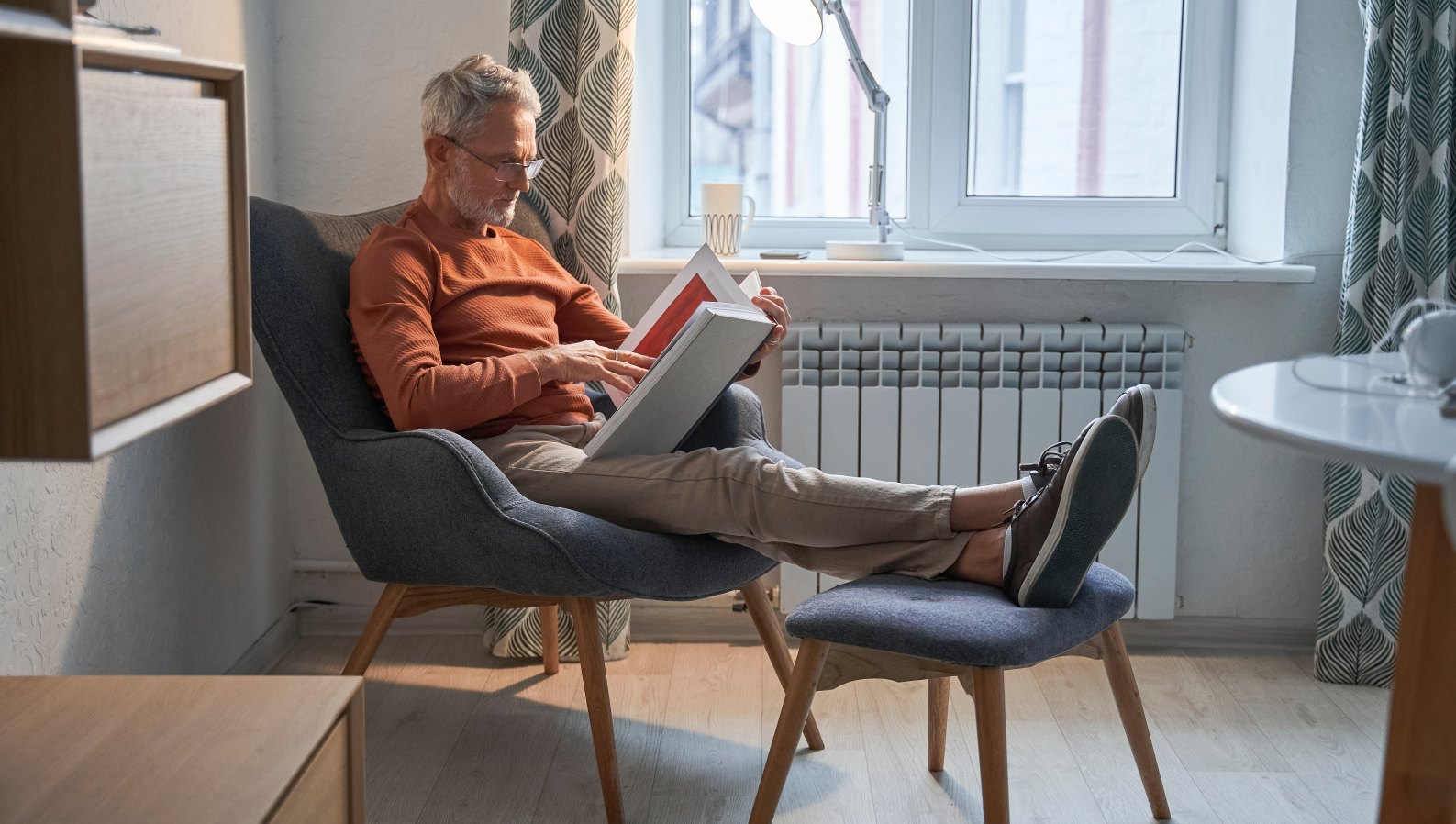
Making home safe for dementia
Home works best when it’s made safe: securing exits to prevent wandering, removing trip hazards, locking away medications and hazards, improving lighting, and simplifying the environment. Small changes go a long way toward keeping a loved one secure.
When professional support makes it possible
Family alone often can’t sustain the round-the-clock demands of dementia care. Professional in-home dementia care provides trained caregivers who bring structure, safety, and specialized communication techniques—while giving family the relief they need. Our dementia care tips offer more guidance, and aging in place explains how home care supports independence.
When home may not be enough
Home isn’t right for every situation. If safety can’t be maintained even with support, if care needs exceed what’s sustainable, or if a person’s wandering or medical needs become unmanageable at home, a specialized memory-care setting may be the safer choice. A care professional can help you weigh the options honestly.
Frequently asked questions
How do we know if home is still safe?
Consider wandering risk, fall risk, medication safety, and whether support can cover the hours needed. An assessment can clarify this.
Can care increase as dementia progresses?
Yes. A good plan scales from a few hours to around-the-clock care over time.
Is home care cheaper than memory care facilities?
It depends on the hours needed; part-time in-home care is often more affordable, while 24-hour needs can shift the balance.
How do we start in Tucson?
Begin with a free in-home assessment to build a dementia-care plan.
Keep your loved one comfortable at home
Contact Copper Star Home Care or call (520) 703-0064 to learn how in-home dementia care works in Tucson and Southern Arizona.