
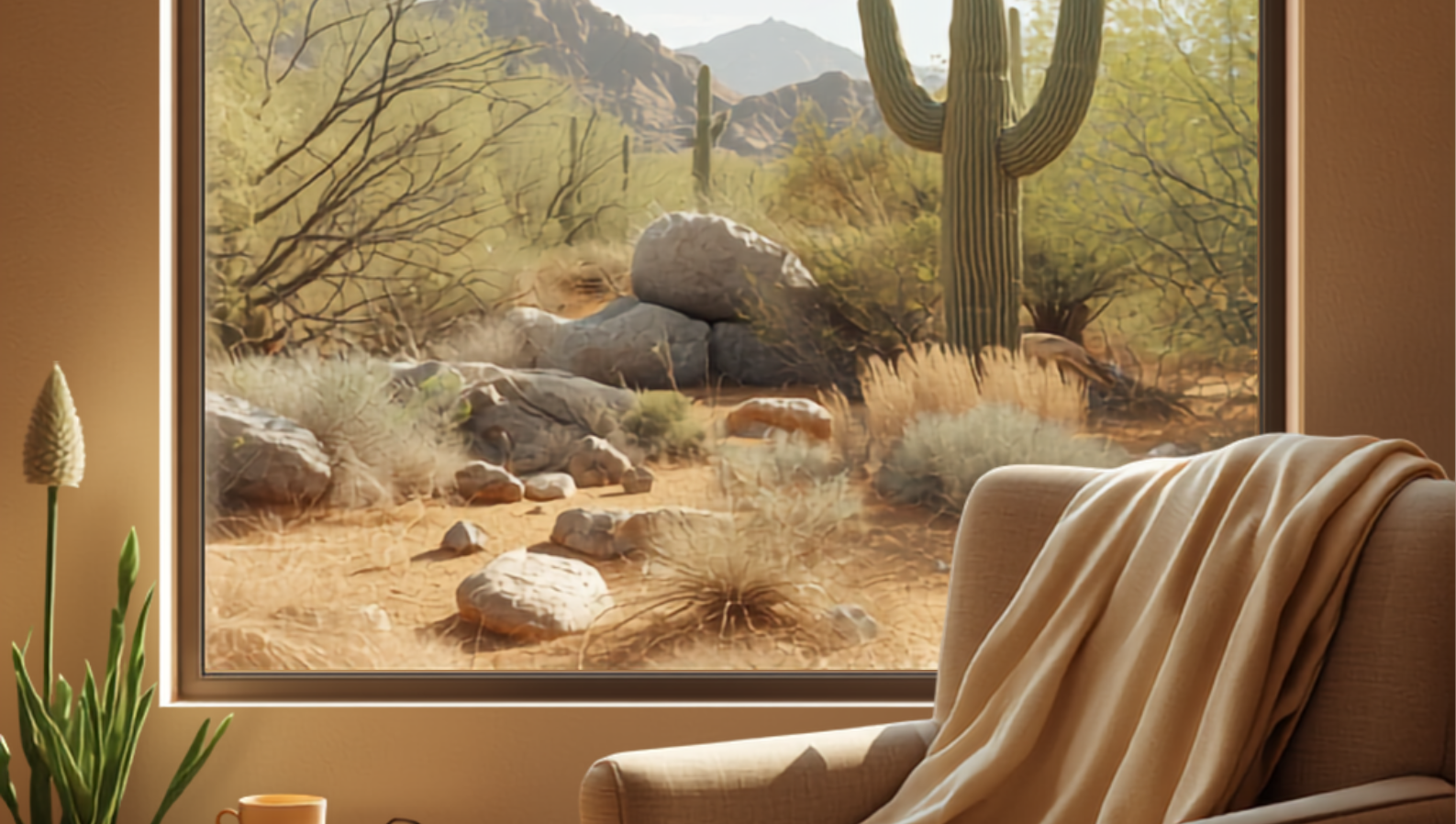
For most of us, home is more than an address. It’s where memories live, where routines feel natural, and where independence has its deepest roots. So it’s no surprise that when older adults in Tucson think about the years ahead, the overwhelming majority say the same thing: they want to stay home. This choice—known as aging in place—is reshaping how Southern Arizona families plan for later life.
This guide looks at what aging in place really means, why it’s become so popular across Tucson, Oro Valley, and the surrounding communities, and the practical steps that make staying home both safe and sustainable.
What aging in place really means
Aging in place is the ability to live in your own home and community safely, independently, and comfortably as you grow older—regardless of age, income, or ability level. It doesn’t mean doing everything alone. In fact, successful aging in place usually depends on the right mix of home modifications, community resources, family involvement, and, when needed, professional support.
The alternative—moving into assisted living or a nursing facility—is the right choice for some families. But for many Tucson seniors, the goal is to remain in the home they love for as long as it’s safely possible.
Why so many Tucson seniors are choosing to stay home
Familiarity and independence
There’s real comfort in the familiar: a kitchen you know by heart, a neighborhood you’ve walked for decades, a community of friends and faith nearby. Staying home preserves a sense of control and identity that’s hard to replicate elsewhere. For many older adults, that independence is closely tied to emotional wellbeing.
Cost considerations
Residential care can be expensive, and costs climb with the level of care required. For seniors who need help with only some tasks, in-home support is often a more flexible and affordable option—families pay for the hours and services they actually need rather than a full-time facility.
Health and emotional benefits
Research consistently links staying socially connected and engaged with better health outcomes in older adults. Remaining at home, close to family, neighbors, and familiar routines, can support emotional health and a sense of purpose—both of which matter as much as physical safety.
The realities of aging in place in Southern Arizona
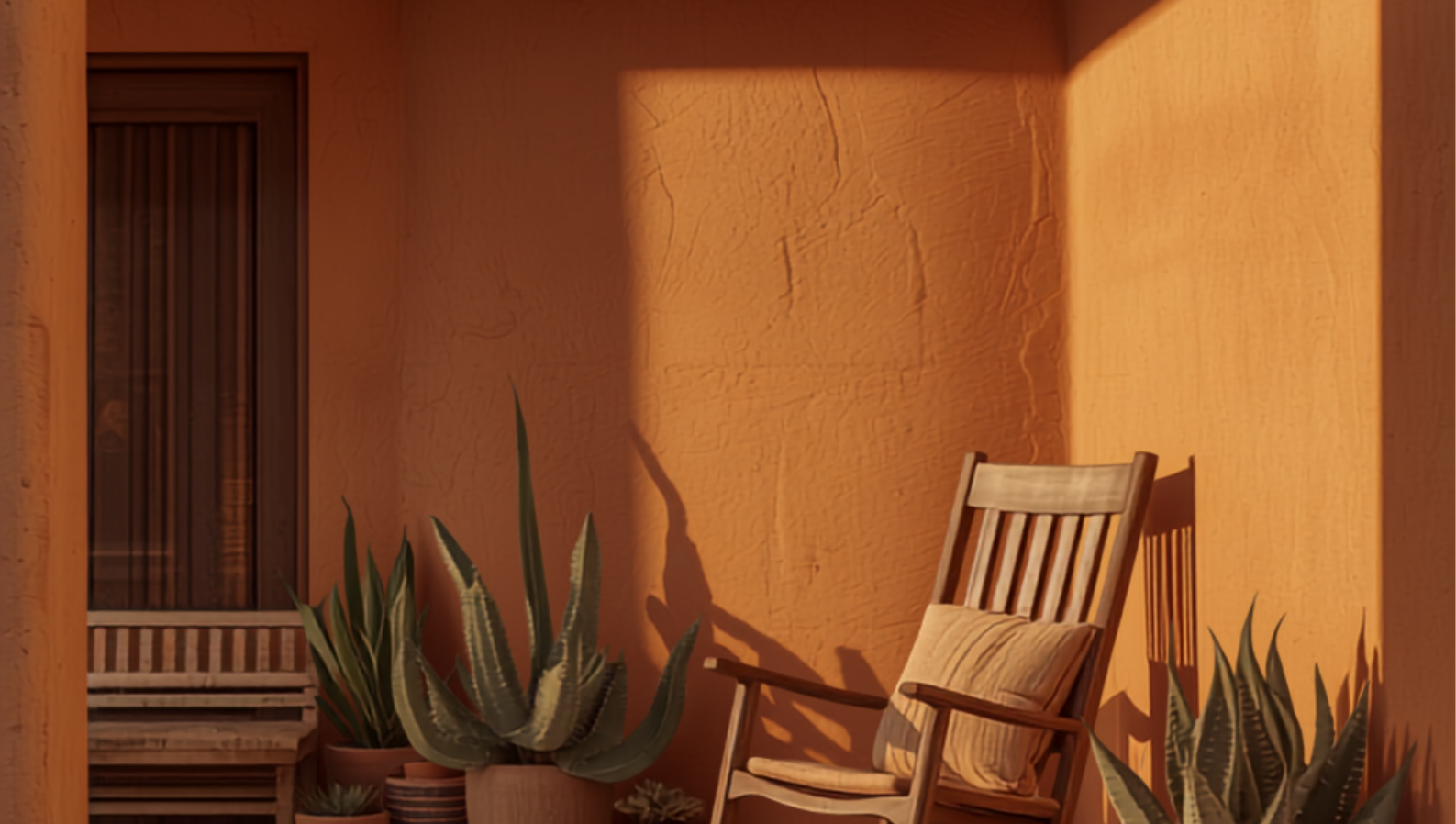
Tucson offers a wonderful environment for older adults—mild winters, an active senior community, and a strong network of services. But Southern Arizona also brings specific considerations. Extreme summer heat makes hydration and home cooling a genuine safety issue. Homes can be spread across wide areas like Marana, Vail, and Green Valley, making transportation and check-ins important. Planning for these realities is part of aging in place successfully here.
Making a home safe for aging in place
A few thoughtful changes can dramatically reduce risk and make daily life easier. Many are inexpensive and can be done gradually.
- Bathroom: Add grab bars near the toilet and in the shower, use a non-slip mat, and consider a shower chair and a raised toilet seat.
- Floors and walkways: Remove loose rugs and clutter, secure electrical cords, and make sure pathways are wide and well lit.
- Lighting: Brighten hallways and stairs, add nightlights, and keep a lamp within reach of the bed.
- Kitchen: Store everyday items within easy reach to avoid stretching or climbing.
- Entry and stairs: Install sturdy handrails and consider a ramp where steps are a barrier.
For a deeper walkthrough, our fall prevention guide covers room-by-room safety in more detail.
The role of family caregivers—and where they need help
Family members are the backbone of aging in place. Adult children and spouses often step in to manage medications, prepare meals, handle errands, and provide companionship. It’s meaningful work—but it can also become overwhelming, especially for families juggling jobs, children, and their own health.
Recognizing the limits of what family can sustainably provide isn’t a failure; it’s good planning. This is where professional support becomes part of the picture, filling gaps so that family time can be spent on connection rather than constant caregiving.
How professional in-home care makes aging in place possible
Professional caregivers make staying home realistic even as needs grow. Depending on the situation, that support might include personal care such as help with bathing, dressing, and mobility; companion care for conversation, activities, and a watchful eye; meal preparation; medication reminders; light housekeeping; and transportation to appointments.
At Copper Star, our caregivers serve families across Tucson and the surrounding communities—our Southern Arizona home care teams build care plans around each person’s routines and preferences. The goal is simple: help older adults stay safe and comfortable in the home they love.
Signs it may be time to add support
Aging in place works best when support arrives before a crisis. Watch for warning signs such as unexplained weight loss or spoiled food, missed medications, a decline in personal hygiene, increased forgetfulness, mounting clutter or unopened mail, new bruises that might signal falls, or growing isolation. Any of these can be a sign that a little extra help would make home both safer and more enjoyable.
Frequently asked questions
What does aging in place cost compared to assisted living?
It varies widely by need. In-home care is billed by the hour or by service, so families with part-time needs often find it more affordable than a full-time facility. As needs increase, a care professional can help you compare options honestly.
How do I know if my parent is safe to stay home?
Consider their mobility, memory, medication management, and the safety of the home itself. A professional in-home assessment can identify risks and recommend modifications or support before problems arise.
What home modifications matter most?
Bathroom grab bars, good lighting, removing trip hazards, and safe stairways tend to deliver the biggest safety gains for the least cost.
Can someone with memory loss age in place?
Often yes, especially in earlier stages, with the right routines, home safety measures, and support. As dementia progresses, families should revisit the plan regularly with a care professional.
How do I start in-home care for a loved one in Tucson?
Begin with a conversation and a care assessment. Copper Star offers a free assessment to understand your family’s needs and build a plan that fits.
Help your loved one stay home, safely
Aging in place is one of the most meaningful gifts a family can support—and you don’t have to make it happen alone. If you’d like help keeping an aging parent safe and comfortable at home in Tucson, contact Copper Star Home Care or call (520) 703-0064 for a free, no-pressure care assessment.