
When families first look into in-home care, two terms come up again and again: personal care and companion care. They sound similar, and a good caregiver may provide both, but they meet different needs. Understanding the difference helps you choose the right support for your loved one—and avoid paying for more, or less, than they actually need.
What is companion care?
Companion care is non-medical support focused on social connection and everyday help. A companion caregiver provides conversation and company, light housekeeping, meal preparation, reminders, transportation, and help with errands and activities. Its purpose is to keep seniors engaged, safe, and connected—especially those who live alone.
What is personal care?
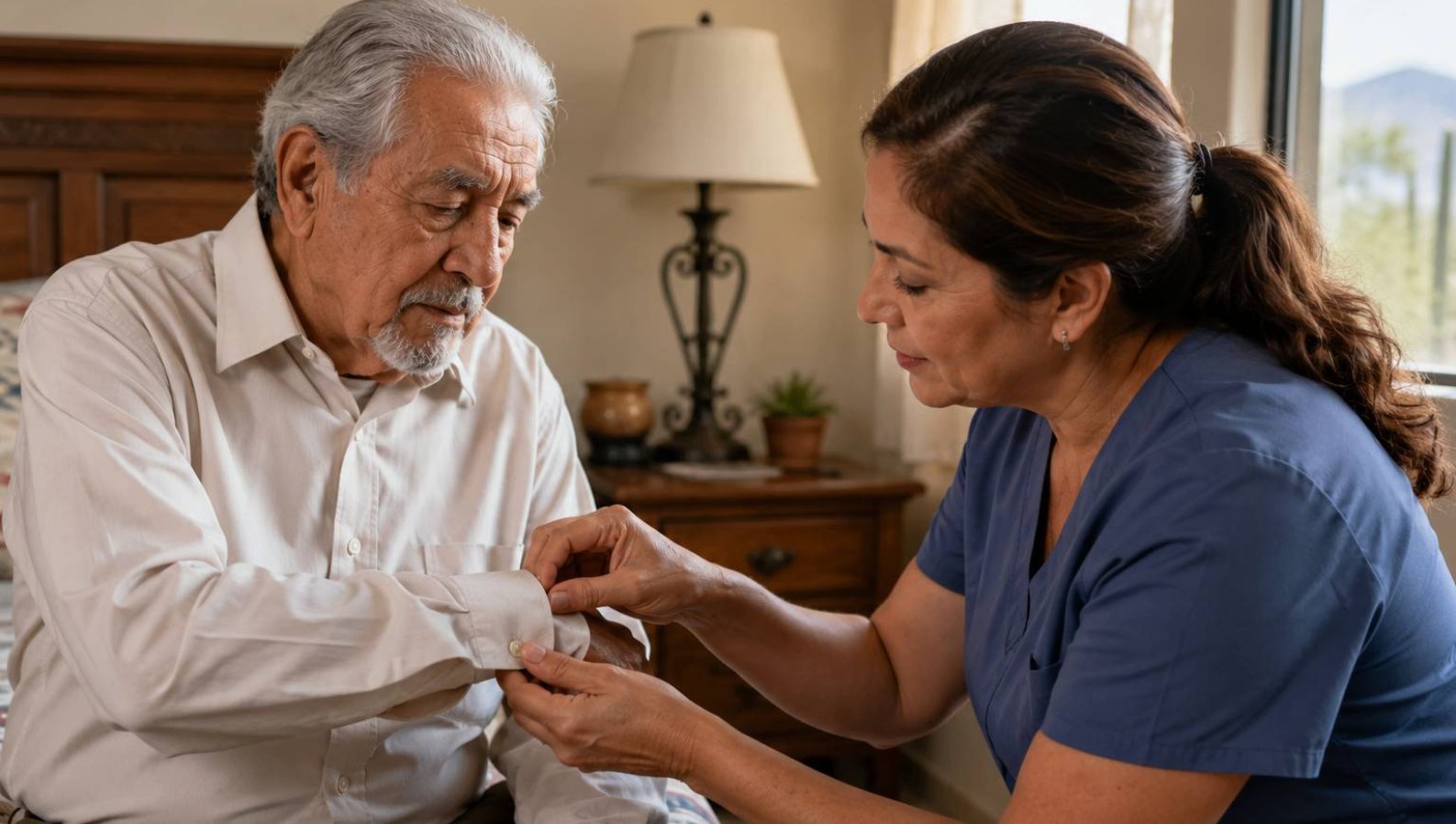
Personal care includes everything companion care does, plus hands-on help with activities of daily living. A personal care aide assists with bathing, showering, dressing, grooming, toileting, transferring, and mobility. It’s for seniors who need physical assistance to stay safe and comfortable at home.

The key differences
The simplest way to think about it: companion care supports the mind and the household; personal care supports the body. Companion care centers on socialization and light tasks and doesn’t involve physical, hands-on assistance. Personal care adds that hands-on element for daily activities that have become difficult or unsafe to do alone. Because of the physical nature of the work, personal care typically requires more specialized training.
Which does your loved one need?
Companion care is often the right starting point for a senior who is mostly independent but lonely, or who needs help with meals, errands, and reminders. Personal care becomes appropriate when bathing, dressing, or moving safely requires another person’s help. Many families begin with companion care and add personal care as needs change.
You don’t have to choose just one
In practice, the two blend seamlessly. A single caregiver can share morning coffee and conversation, prepare lunch, and also help with a shower and getting dressed—all in one visit. A quality provider builds a plan that flexes over time, so your loved one always has the right level of support.
Frequently asked questions
Is personal care more expensive than companion care?
It often costs a bit more because of the hands-on assistance and training involved, but you only pay for the level of care your loved one needs.
Can we switch from companion care to personal care later?
Yes. A good care plan is designed to adjust as needs evolve.
Does either include medical or nursing care?
No—both are non-medical. They focus on daily living and quality of life, not clinical tasks.
How do we decide what we need?
A free in-home assessment will clarify the right starting point for your family.
Not sure which is right? Let’s figure it out together
Contact Copper Star Home Care or call (520) 703-0064 for a free assessment, and we’ll help you choose the right mix of care for your loved one in Tucson.