

Bathing is deeply personal, so it’s often one of the last things an aging parent will admit they’re struggling with. Yet difficulty bathing safely is one of the clearest signs that a little extra help is needed. Knowing when—and how—to step in protects both your loved one’s safety and their dignity.
Why bathing becomes difficult
The bathroom is one of the most hazardous rooms in the home. Wet, slick surfaces, the need to step over a tub wall, and the balance required to wash safely all become harder with age, arthritis, weakness, or memory changes. What was once routine can become genuinely risky.
Signs your parent may need bathing assistance
- A noticeable decline in personal hygiene or body odor.
- Wearing the same clothes for days, or avoiding bathing altogether.
- Fear or anxiety about slipping in the shower.
- Difficulty standing, balancing, or stepping over the tub.
- Signs of unsafe workarounds, like sponge-bathing to avoid the shower.
The safety risks of bathing alone
Many serious senior falls happen in the bathroom. A fall while bathing—alone, on a hard surface, possibly unable to reach a phone—can have severe consequences. Recognizing when bathing is no longer safe to do alone is an act of protection, not overreach.
How caregivers provide dignified help
Professional caregivers are trained to assist with bathing in a way that preserves privacy and dignity. That can range from standby support—being present to steady and reassure—to full hands-on help with washing, depending on need. The goal is always to keep your loved one safe while respecting their comfort and independence. This is a core part of personal care.
Make the bathroom safer, too
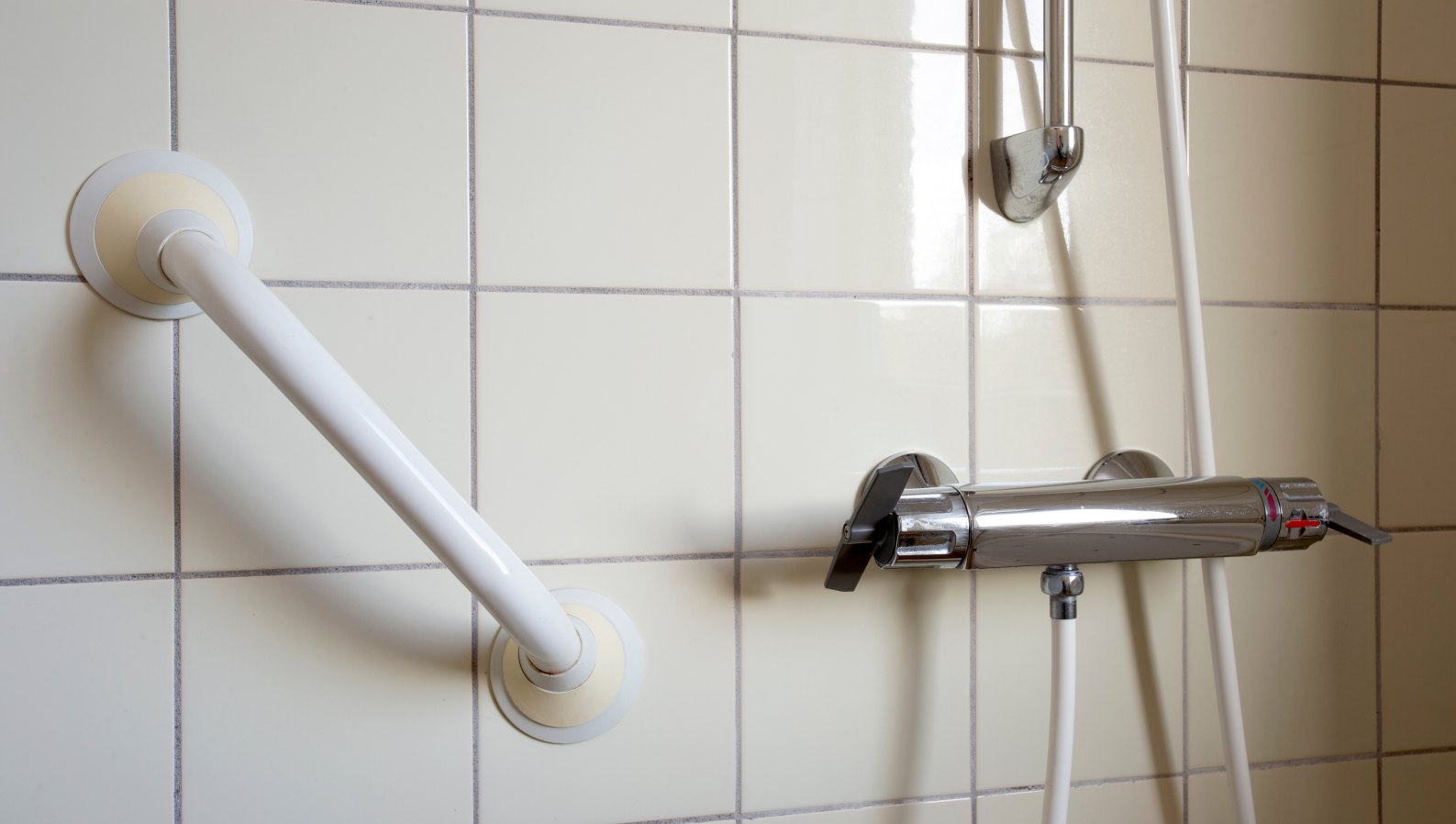
Alongside caregiver support, simple modifications help: grab bars by the tub and toilet, a shower chair, a handheld showerhead, non-slip mats, and good lighting. Our fall prevention guide covers bathroom safety in detail.
Frequently asked questions
My parent is embarrassed about needing help. What can I do?
Lead with empathy and emphasize safety and dignity. Many seniors feel more comfortable with a trained caregiver than with a family member for this kind of help.
How much help is needed—standby or hands-on?
It varies. An assessment can determine whether your loved one needs a steadying presence or full assistance.
Can the same caregiver help with other tasks?
Yes. Bathing help is usually part of a broader personal care plan that includes dressing, grooming, and mobility.
How do we get started in Tucson?
A free in-home assessment will clarify needs and match a caregiver your loved one feels comfortable with.
Help your loved one bathe safely and with dignity
Contact Copper Star Home Care or call (520) 703-0064 to learn how our caregivers provide respectful bathing assistance in Tucson and Southern Arizona.